

THE
SCIENCE
OF THE
POD
WHAT’S THE SCIENCE
BEHIND THE POD
OpenSeed pods are designed with one primary objective: to help the nervous system shift from a state of sympathetic activation (fight-or-flight) toward parasympathetic recovery (rest-and-digest). This transition allows the body and mind to relax deeply, reducing stress while unlocking creativity, clarity, and peak productivity.
The in-pod experiences combine guided breathwork, meditation, sound, vibroacoustic stimulation, and an immersive environment to create the conditions for a calmer, more regulated state.
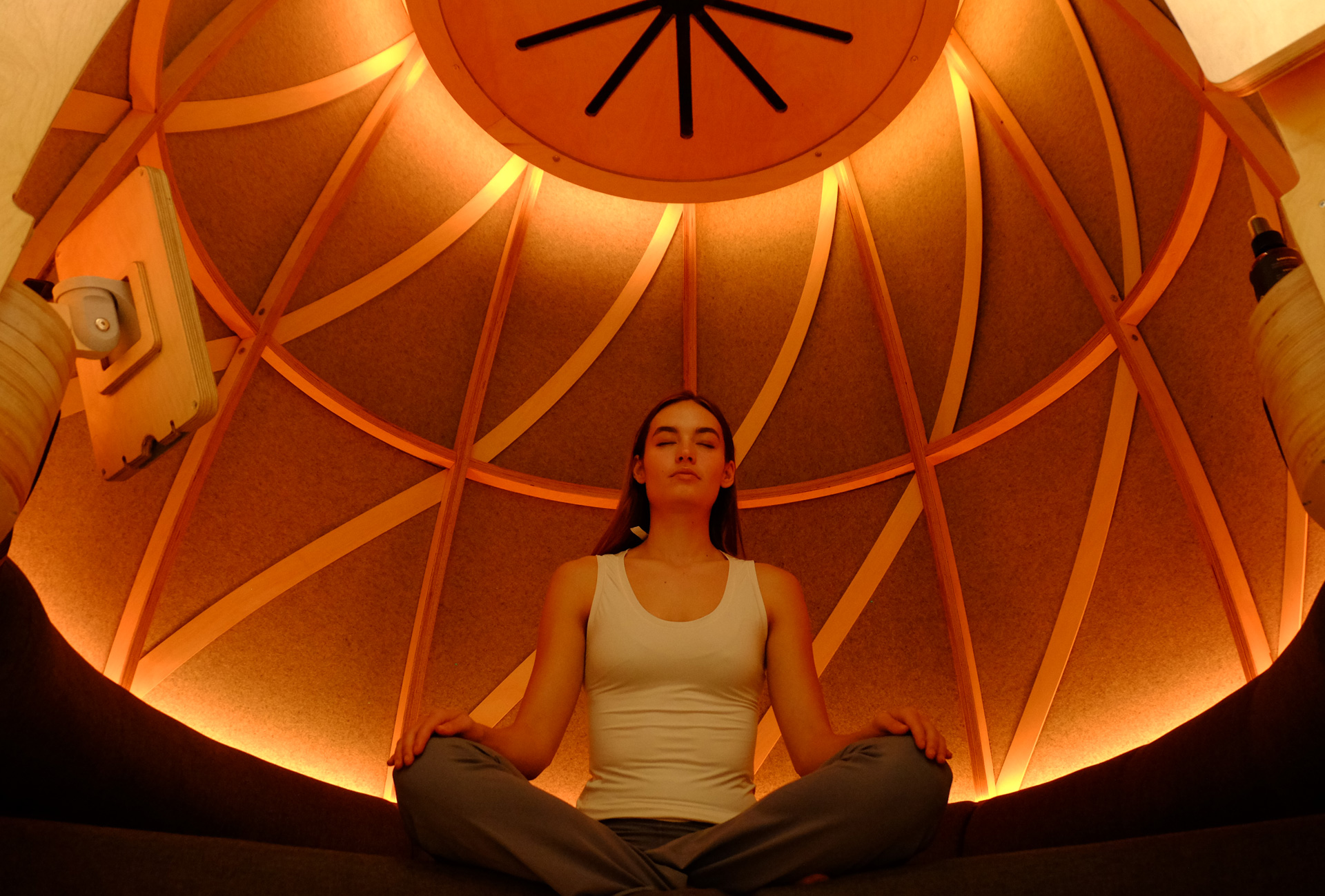
BREATHWORK
Breathwork uses intentional, controlled breathing patterns to influence physiological and psychological states. Its effects are closely linked to the autonomic nervous system, which regulates involuntary functions such as heart rate, blood pressure, digestion, and the body’s stress and relaxation responses.
Oxygen and Carbon Dioxide Balance:
Breathing patterns influence the balance of oxygen and carbon dioxide in the blood, which can affect blood pH, cerebral blood flow, and how we feel. Faster, deeper breathing can lower carbon dioxide levels and temporarily increase alertness or produce changes in perception and bodily sensation. Slower, controlled breathing can support autonomic regulation, increase heart-rate variability, and promote a calmer physiological state.
Vagus Nerve Stimulation:
Controlled breathing stimulates the vagus nerve, which is part of the parasympathetic nervous system. This stimulation promotes a “rest and digest” response, reducing heart rate, lowering blood pressure, and promoting a state of calm.
Heart Rate Variability (HRV):
Breathwork can increase HRV, which is a measure of the variation in time between each heartbeat. Higher HRV is associated with better stress resilience, emotional regulation, and improved heart health.
Endorphin Release:
Breathwork can trigger the release of endorphins, the body’s natural painkillers, which lead to feelings of euphoria and stress reduction.
CO2 Tolerance and Stress Response:
Certain types of breathwork, such as the Wim Hof Method, focus on increasing the body’s tolerance to CO2, which can train the body to handle stress better. This may lead to improved mental clarity, enhanced focus, and greater resistance to anxiety
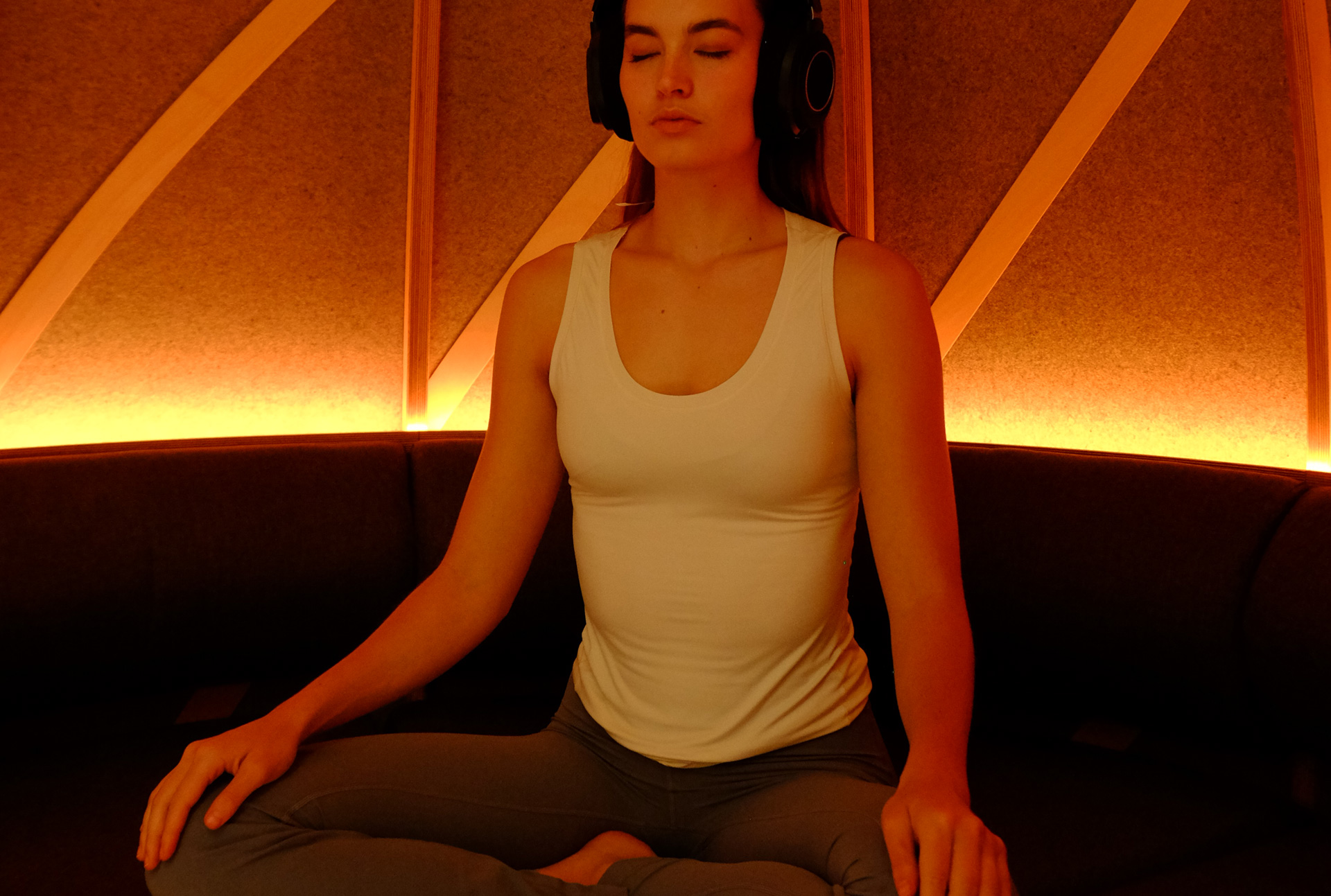
MEDITATION
Meditation is a practice of training the mind to cultivate awareness, focus, and inner calm. A long-term meditation practice has been found to influence the brain, nervous system, and overall health—enhancing emotional regulation, reducing stress, and promoting resilience. Over time, it can lead to deeper states of clarity and presence, supporting both mental and physical well-being.
Neuroplasticity:
Meditation can lead to structural changes in the brain. Regular meditation has been shown to increase the thickness of the prefrontal cortex (involved in decision-making and attention) and the hippocampus (important for learning and memory).
Brainwave Activity:
Different types of meditation (mindfulness, transcendental, etc.) can affect brainwave patterns. Studies using EEG (electroencephalography) show increased alpha and theta waves, associated with relaxation, creativity, and reduced stress.
Stress Reduction (Cortisol):
Meditation reduces the body’s production of cortisol, a stress hormone. By doing this, it can help lower blood pressure, improve immune function, and enhance overall well-being.
Attention and Focus:
Mindfulness meditation, in particular, improves attentional control by training the brain to focus and avoid distractions. It enhances the ability to sustain attention, which can have long-term cognitive benefits.
Emotional Regulation:
Meditation activates the parasympathetic nervous system, leading to relaxation, and helps regulate emotions. Over time, it improves emotional resilience, reducing the effects of stress, anxiety, and depression.
SOUND THERAPY
Sound is a powerful tool to relax the mind and anchor awareness in the present moment.
Binaural Beats & Brainwave Entrainment:
Two tones played in each ear guide the brain into states like alpha (relaxed focus) or theta (deep meditation).
Soundscapes:
Layered frequencies and instruments create immersive environments that support emotional release and healing.
Handpan & Acoustic Instruments:
Soothing harmonics calm the nervous system, reduce anxiety, and promote mindfulness.
Nature Sounds:
Water, birds, or wind trigger the parasympathetic system, lowering stress and fostering calm.
Voice & Chanting (Mantras):
Repetition of mantras or tones induces meditative states and deepens inner peace.

VIBROACOUSTIC THERAPY
Vibroacoustic therapy is a relaxation and healing modality that uses low-frequency sound vibrations transmitted through the body to promote physical and emotional well-being. These vibrations stimulate cells, muscles, and the nervous system, helping to reduce stress, relieve pain, and improve circulation. The therapy often combines sound frequencies with music or guided meditation to deepen the restorative experience.
OpenSeed’s vibroacoustic floor panels use low-frequency sound waves that travel through the body, stimulating mechanoreceptors in muscles and tissues. This gentle vibration has been shown to promote parasympathetic nervous system activation—the body’s “rest and digest” response.

AROMATHERAPY
Aromatherapy involves the use of essential oils, which can directly influence the nervous system through olfactory stimulation. Scents like lavender, chamomile, and sandalwood are known to activate the parasympathetic nervous system, promoting relaxation and reducing the activity of the sympathetic nervous system, which is responsible for the “fight or flight” response.
By diffusing these essential oils in a controlled environment like a meditation pod, the individual’s body begins to shift towards a state of calmness, making it easier to enter a state of deep relaxation.
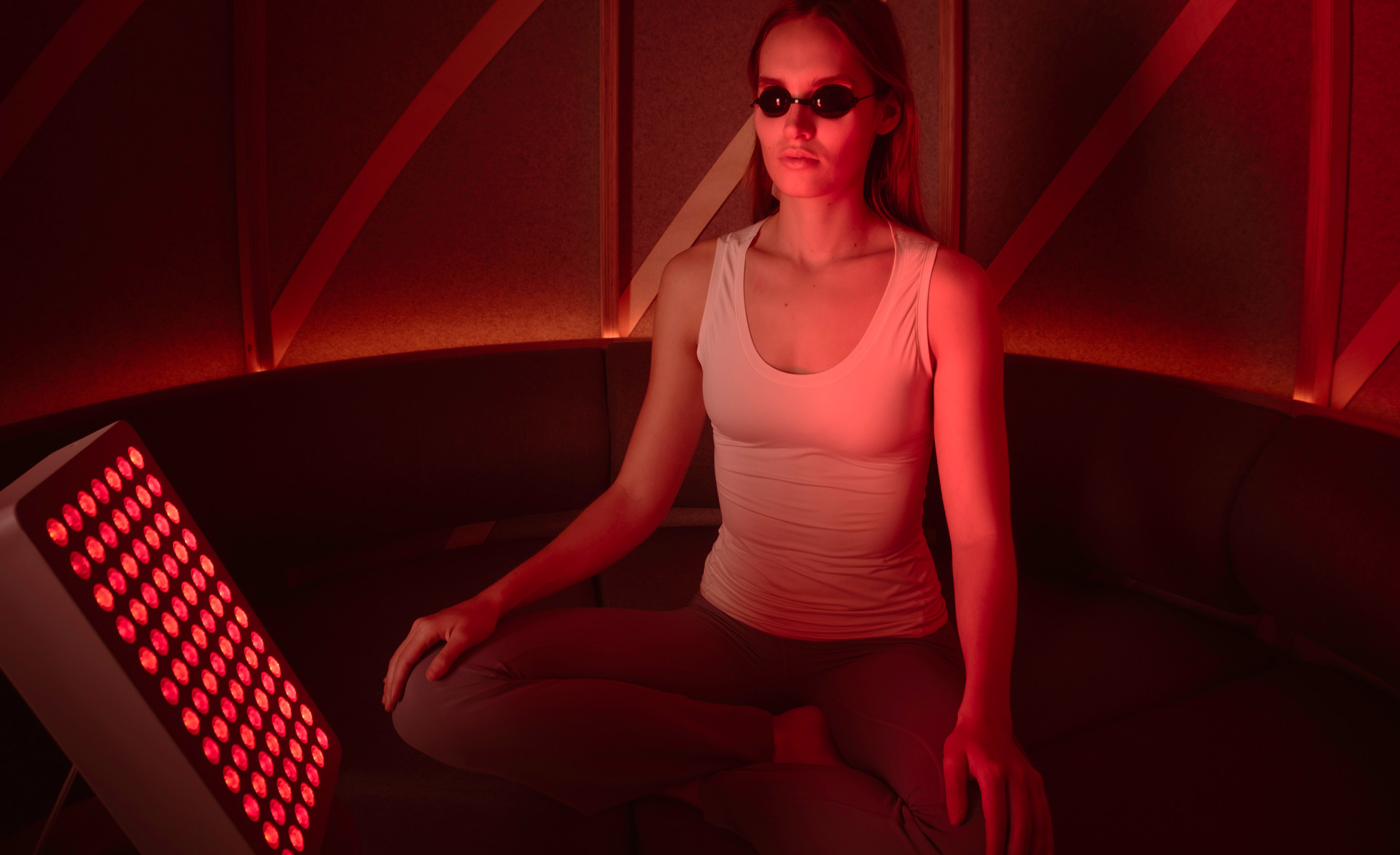
RED LIGHT THERAPY
Red light therapy, also known as photobiomodulation, uses specific wavelengths of red and near-infrared light to stimulate cellular energy and support natural healing. When the body is exposed to low-wavelength red light, it penetrates the skin and is absorbed by mitochondria—the cell’s “powerhouses.” This absorption boosts the production of adenosine triphosphate (ATP), the primary source of cellular energy, which enhances cell function and regeneration. The result is a range of potential benefits including improved circulation, collagen production, tissue repair, reduced inflammation, and accelerated recovery
Applying red light therapy to the face and head during a meditation session inside the pod provides a dual benefit of cellular rejuvenation and mental optimization. It can provide neurocognitive benefits, it can increases blood flow, reduces oxidative stress in neurons, and supports neuroplasticity. These effects can sharpen focus, improve memory, and elevate mood.
Combined with the pod’s therapeutic soundscapes, aromatherapy, and guided meditations, red light therapy deepens the parasympathetic shift, amplifying relaxation while enhancing cognitive function and overall vitality. The result is a whole-system upgrade: you leave the pod not only calmer and clearer in mind, but also refreshed in body, with benefits to your skin and long-term support for brain health.
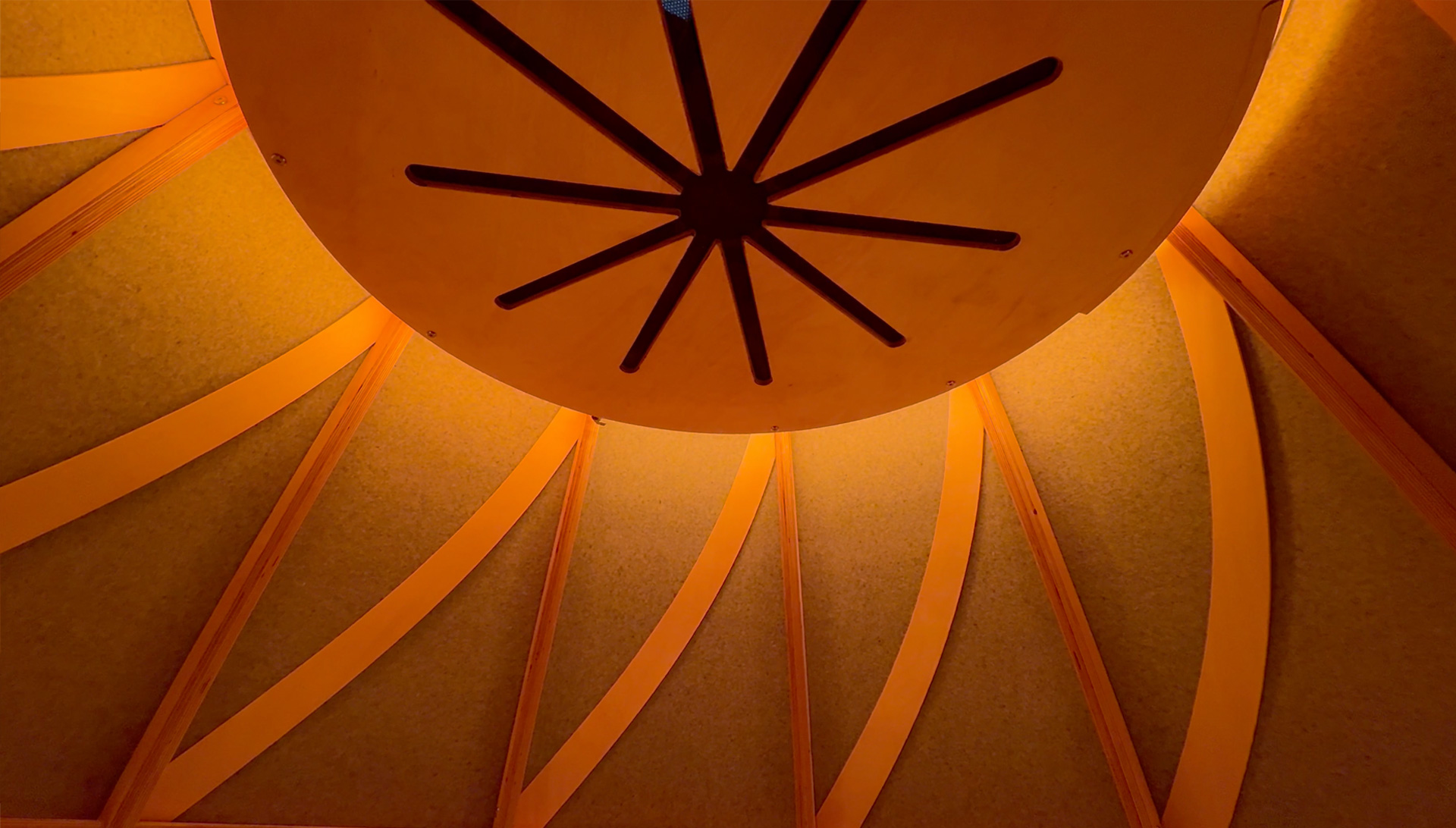
AUDIO-TO-LIGHT
TECHNOLOGY
OpenSeed’s lighting system uses color, rhythm, and intensity to guide the mind and body into harmony. Soft, warm tones—like red or amber—promote relaxation, while rhythmic light pulses help users stay focused and present, reducing mental distractions and deepening the effectiveness of each session. By pulsing light at specific beats per minute (BPM), the system acts as a visual metronome for breathwork practices such as Breath of Fire or other rhythmic breathing techniques.
Guided Breathing:
Pulsating light provides visual cues to synchronize the breath. For example, in fast-paced practices like Breath of Fire (2–3 breaths per second), light pulses match the breathing rhythm, helping users maintain consistency and flow without verbal instruction.
Enhanced Focus:
Different colors influence mood and energy—reds and oranges energize and awaken, while blues and greens calm and restore. These color choices support the emotional intention of each session.
Inhale–Exhale Cues:
Light intensity shifts in sync with the breath—brightening on inhalation, dimming on exhalation—creating a natural, intuitive rhythm that makes even complex breathing patterns effortless to follow.
The result is a fully immersive, multisensory experience where light doesn’t just illuminate the space—it becomes a tool for entrainment, focus, and inner balance.
OpenSeed
Immersive wellness environments for the home + workplace.